



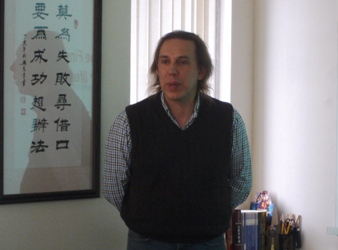
【週三論壇】How the Finns manage their life in old age?
點此下載論壇簡報 講師: Teppo Kroger
日期: 2011 1/26 星期三 下午2:30~5:00
講師: Teppo Kroger
日期: 2011 1/26 星期三 下午2:30~5:00
講師介紹:
受邀成為國立陽明大學衛生福利研究所 之客座教授。
於芬蘭擔任于瓦斯基拉大學(University of Jyväskylä/Academy of Finland) 教授。
精彩內容:
參與者:
王世洲、朱景耀、何碧珍、李家宏、林芳仙、林雙美、范廣盛、高為邦、張玲玲、許川海、陳天鳴、陳培元、章致綱、童景熙、黃亞華、黃南雅、黃省吾、劉匡華、劉定泮、劉國棟、潘青芬、羅君平、顧燕翎
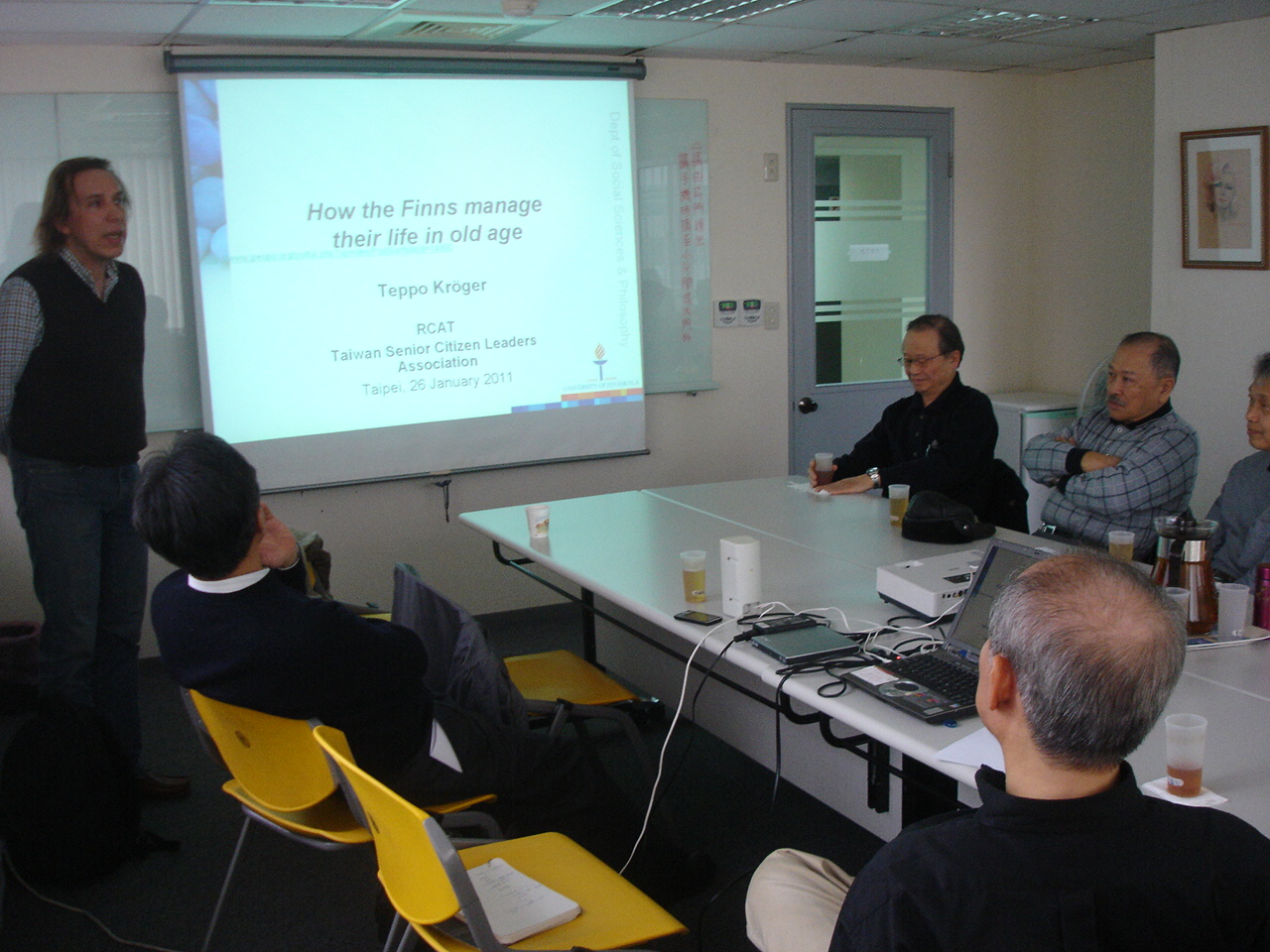
The Nordic countries which consist of Denmark, Finland, Iceland, Norway and Sweden are a Nordic family of five independent nations. Since the 1970s, the public sector has officially the responsibility for older people. However, families still give the most part of care for older people. Local authorities are the real makers of long-term care (LTC) policy and central authorities make legislation and regulate the local level with central grants and information but can not determine local action. In the Nordic countries have developed the following ways to face the issue of long-term care:
1.Institutional care: including residential care by social welfare services, nursing homes for health care, and service housing with apartments to supply care services available when needed.
2.Home-based care: for example, home nursing, home help with ADL functions and social needs, and informal family care.
3.Dementia care: using the short term care, respite care and day care services by increasing number of specialised dementia departments in LTC. Futhermore, Dementia Care Mapping also helps to evaluate the quality of care services from the perspective of people with dementia.
4.Expenditures and user fees
5.Support for family care
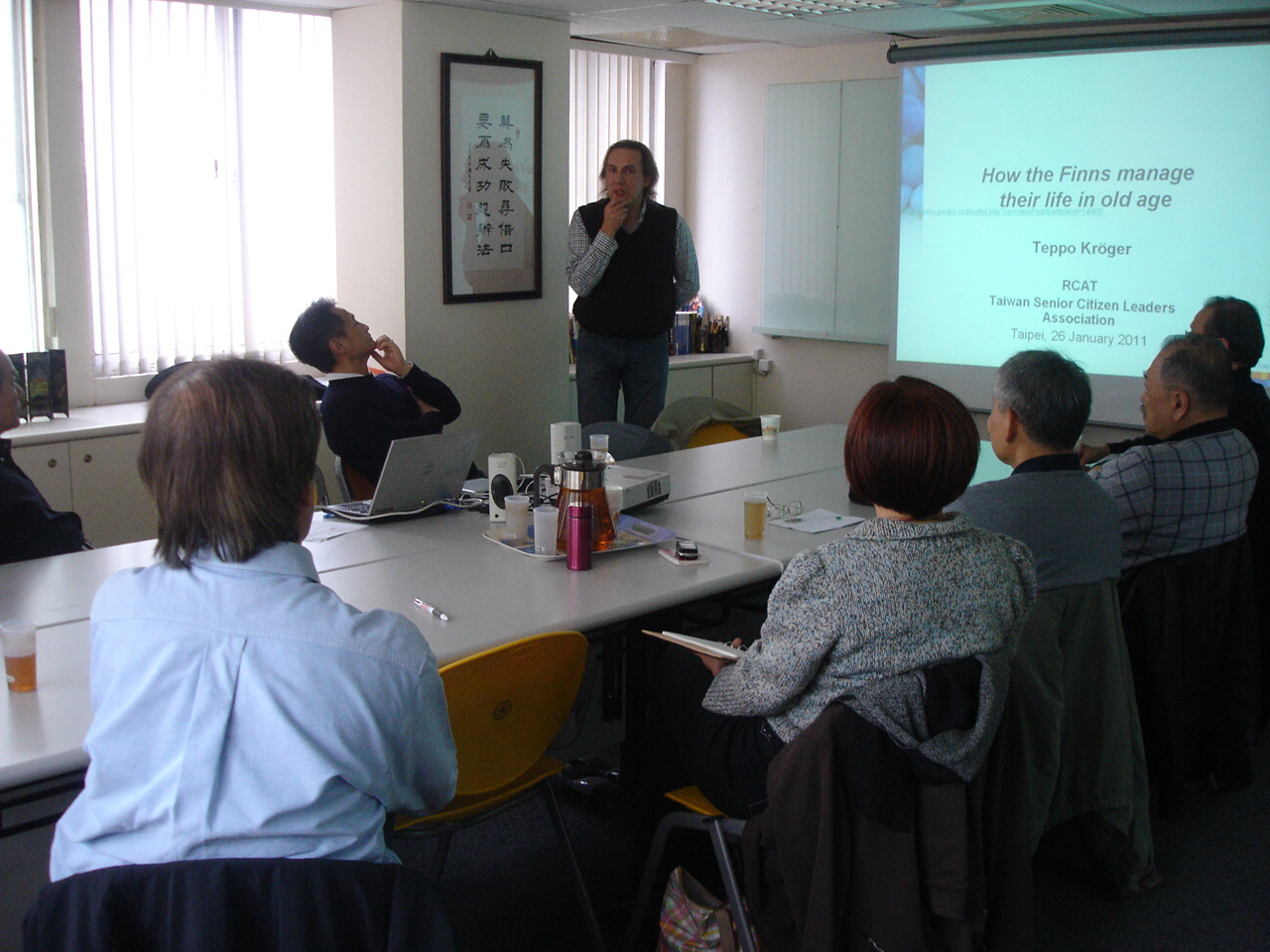
Dr. Kroger was just thinking if any Nordic experience that he could a kind of comment or saying something about Taiwan. First, the family care will always stay the mainstream of care and it needs support and recognition. However, in a society with rapid ageing and a high female labour market participation rate, formal care services are unavoidable. Second, It is important to make care services affordable for the whole population, not only for the richest or the poorest group. Third, migrant care workers may be a short-term solution but as their employment bases on inequality between nations and on a lack of occupational possibilities in sending countries, a wise country does not base its LTC policy on their everlasting availability. Moreover, Taiwan has now one-in-a-lifetime opportunity to make a fundamental reform of its LTC policy that will guide the way for decades.
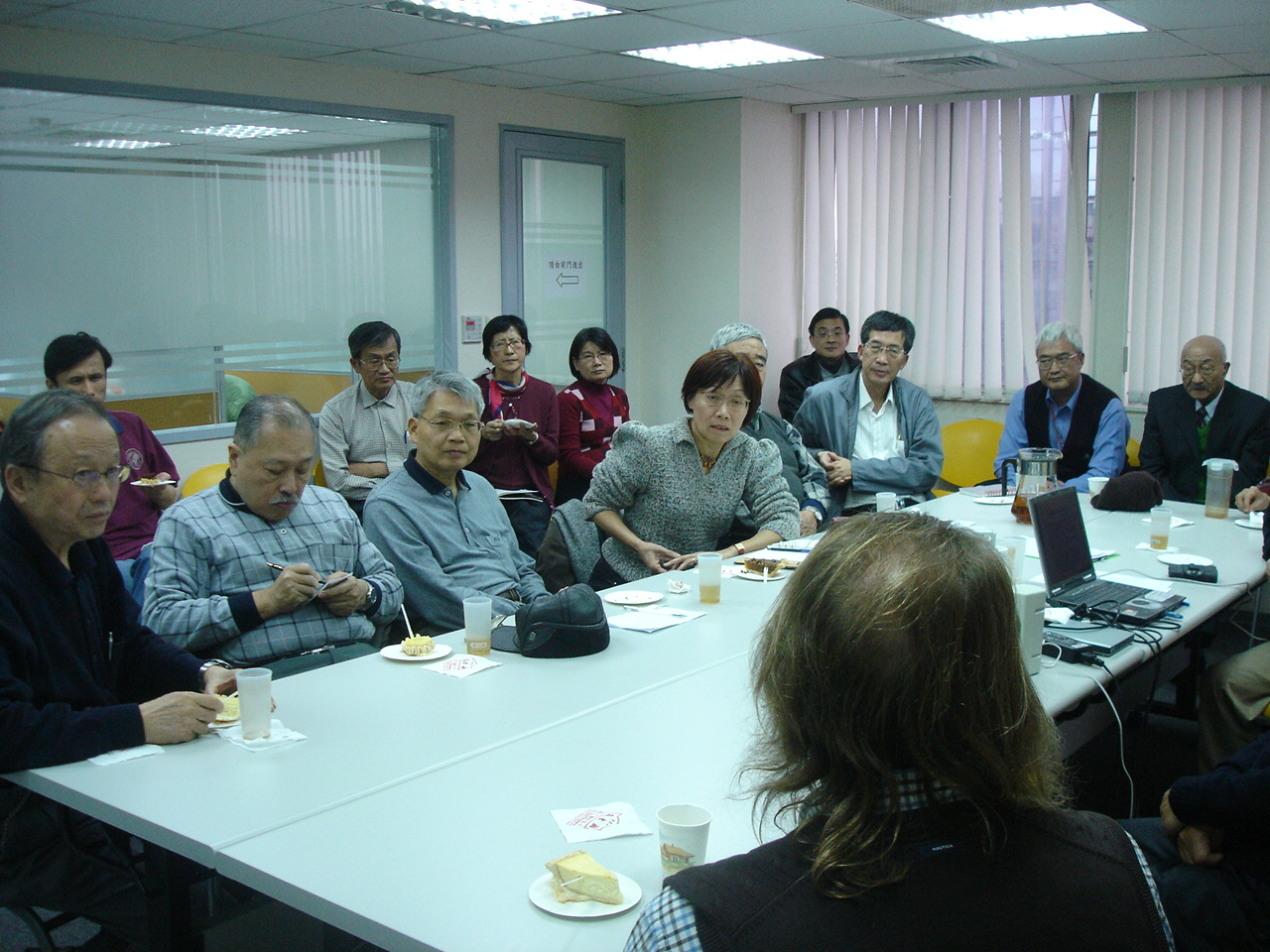
If all groups of service users and all sources of care such as family carers, public and private home-based and institutional care services, personal assistants, migrant carers can be covered by the same system, remembering in any case the different needs and situations of different groups and individuals. Dr. Kroger thinks it is wonderful for everyone.
-
Teppo 於2011/01/28回應
